Understanding Payday Loans: Pros, Cons, and Alternatives
Payday loans have become a common financial tool for many seeking quick cash. These brief lending solutions can deliver prompt relief but frequently carry high interest rates and demanding repayment terms. Even though they can look like a reasonable solution for some individuals, the potential risks can lead to deeper financial troubles. Recognizing both the pros and cons is of vital importance. Which alternative approaches could present a more stable financial path? The findings might catch you off guard.
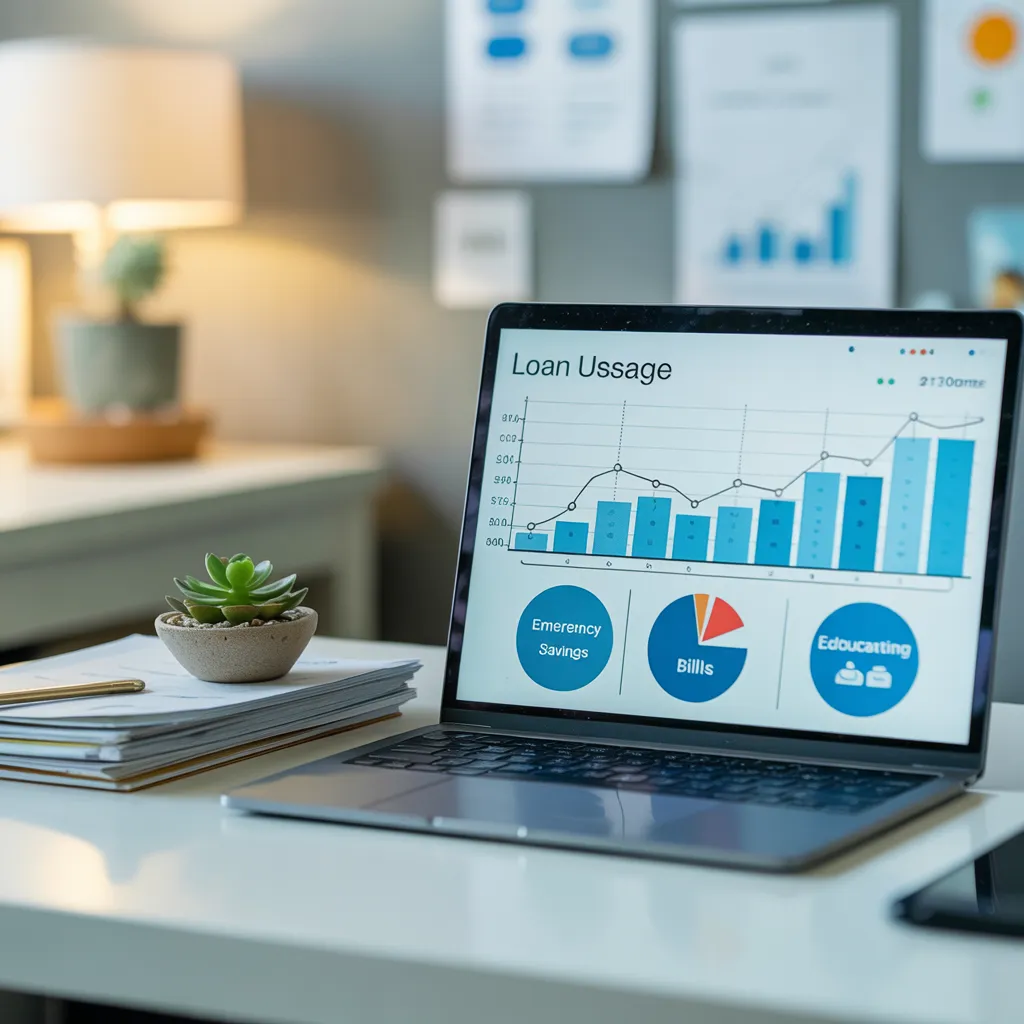
Payday Loans Explained: What They Are and How They Work
Payday advances are short-term, high-interest financial products created to deliver quick cash to individuals dealing with pressing financial needs. In most cases, these loans span from $100 to $1,000 and are meant to address expenses until the recipient obtains their following paycheck. The application process is usually straightforward, often requiring minimal documentation, which attracts individuals facing serious monetary challenges.
Borrowers usually provide a post-dated check or approve an electronic debit for the borrowed amount along with applicable fees, which can be significant. The repayment term usually extends over two to four weeks, aligning with the borrower's upcoming payday. Failure to repay the loan on time can result in further fees and recurring debt patterns, as individuals may be compelled to secure additional loans to settle previous debts. Comprehending how payday loans work is crucial for those evaluating this alternative as a rapid monetary solution.
The Payday Loan Risks You Must Understand?
Even though payday loans can look like an easy answer to financial hardships, they come with significant risks that can worsen a borrower's financial circumstances. Elevated interest rates represent a major issue, often surpassing 400% per year, resulting in unmanageable repayment totals. A large number of borrowers get caught in a recurring debt pattern, borrowing more funds to settle previous explore here debts, resulting in escalating financial strain. Additionally, the short repayment period—usually just two weeks—can push borrowers toward rushed choices without completely grasping the agreement details. Missed payments can attract extra charges, adding more complexity to financial situations. Beyond that, payday loans can harm credit standings if payments are missed, restricting upcoming lending opportunities. Individuals should remain conscious of forceful debt recovery tactics that may emerge when borrowers fail to meet deadlines. These risks highlight the importance of considering alternatives before opting for a payday loan.
The Benefits of Payday Loans
Payday loans present several advantages that make them appealing to individuals in need of immediate funds. With swift access to funds and minimal qualification requirements, they may be a suitable option for individuals facing urgent financial situations. Additionally, versatile repayment options can assist borrowers in managing their obligations more effectively.
Quick Access to Cash
Obtaining fast funds proves highly beneficial for borrowers experiencing sudden costs or monetary crises. Short-term loans provide a speedy option, typically supplying cash within a single working day. This immediacy can be vital for individuals who must pay pressing invoices, healthcare costs, or vehicle repairs. Unlike traditional loans, which may involve lengthy approval processes, short-term loans generally need limited paperwork and are accessible via the internet. This accelerated process permits borrowers to tackle their financial obligations promptly, reducing the stress associated with overdue payments. Furthermore, the flexibility of securing money at a moment's notice renders short-term loans an attractive choice for those caught in a financial bind, allowing them to restore stability to their finances more quickly.
Essential Qualification Requirements
A large number of borrowers appreciate the minimal application prerequisites of payday lending options appealing, as these loans typically demand fewer documents and reduced eligibility conditions than standard loan products. Borrowers often only need to provide income verification and a valid ID, making the application process straightforward. Such ease of access is especially advantageous for those with limited credit histories or poor credit scores who might find it difficult to secure traditional financing. Furthermore, short-term lenders commonly skip thorough credit evaluations, allowing for quicker access to funds. This simplified process can be a lifeline for people confronting immediate financial challenges, allowing them to obtain funds without the prolonged waiting periods associated with traditional lending institutions. Consequently, minimal qualification requirements cater to a wide range of borrowers.
Versatile Repayment Plans
Adaptable repayment plans are a key benefit of payday loans, allowing borrowers to tailor their repayment plans according to their financial situations. Many lenders offer varied terms, enabling borrowers to choose a repayment schedule that aligns with their pay dates. This flexibility can help alleviate the stress of immediate repayment, giving borrowers the chance to handle their finances more efficiently. Furthermore, certain lenders may permit modifications or adjustments to the repayment period, accounting for sudden variations in a borrower's monetary conditions. This adaptability can be essential for individuals facing temporary cash flow issues, as it creates a repayment experience that is more feasible and less stressful, ultimately promoting a healthier approach to borrowing and financial responsibility.
Who Should Look Into Taking a Payday Loan?
Individuals experiencing monetary crises could discover short-term loans to be an effective solution for quick financial assistance. Borrowers with restricted availability to conventional lending options frequently turn to these borrowing options to address urgent expenses. Recognizing the situations that call for such a choice is essential for prudent financial management.
Financial Crises and Urgent Situations
Unexpected financial hardships can emerge at any time, placing individuals in desperate need of immediate financial relief. Those confronted with abrupt healthcare bills, automobile maintenance costs, or unanticipated charges may consider payday loans as a viable option. These loans offer fast access to funds, usually without thorough credit evaluations, rendering them desirable for people with constrained monetary resources. Nevertheless, it is essential to acknowledge that payday loans frequently carry elevated interest rates and brief repayment periods. Therefore, they could be unsuitable for every individual. Those with a reliable income and a solid repayment plan may find these loans workable, while some may compound their monetary challenges. Evaluating the risks and benefits is essential before proceeding with a payday loan.
Limited Access to Credit
A large number of people facing restricted credit options may consider payday loans as a potential solution for their urgent monetary requirements. Individuals with poor credit histories, those lacking traditional banking relationships, or people who fail to meet traditional loan requirements often find themselves in situations where payday loans look like a reasonable choice. Such loans offer rapid access to funds without extensive credit checks, making them accessible for individuals facing immediate financial hardship. However, consumers should proceed carefully, as elevated interest rates and brief repayment windows can result in a debt spiral. Therefore, borrowers should carefully evaluate the benefits and drawbacks and consider additional alternatives, such as nonprofit lenders or community-based aid programs, before proceeding with a payday loan agreement.
Understanding Alternatives to Payday Loans
How can individuals in need of funds steer clear of payday loans? There are various alternatives capable of providing the needed financial relief without the costly burdens of payday loan services. Credit unions frequently provide modest, low-rate loans tailored for members experiencing financial hardships. Furthermore, personal loans offered by conventional banks or digital lenders may come with more advantageous conditions, enabling borrowers to settle their debt across an extended timeframe.
One further possibility is establishing repayment agreements with creditors, which can relieve short-term financial stress without incurring new debt. Additionally, local nonprofits and community groups may offer emergency assistance programs to assist individuals facing hardship. For those who can turn to loved ones, borrowing from them can be a viable way to avoid high-interest loans. Considering these options can empower borrowers to make informed choices, paving the way toward improved financial well-being and reduced reliance on predatory lending practices.
Making Smart Financial Choices About Payday Loans
Maneuvering the challenges of payday loans requires thoughtful evaluation and understanding. People in need of financial assistance must evaluate their current financial situations and determine if a payday loan is genuinely necessary. Grasping the substantial interest rates and likelihood of debt traps is vital before taking action.
Investigating multiple lenders can additionally provide insights into loan terms, helping consumers make well-considered choices. Evaluating alternative solutions, such as personal financing or credit guidance, can yield better financial results.
In addition, borrowers should assess their repayment capabilities to prevent additional financial burden. Establishing a budget and exploring additional income sources can mitigate the need for quick loans.
At the end of the day, making educated financial decisions about payday loans involves prioritizing lasting financial health over temporary fixes. Careful borrowing, combined with a thorough understanding of the related risks, can enable individuals to manage their financial difficulties more successfully.
Questions Our Clients Frequently Ask
What Are the Usual Repayment Terms for Payday Loans?
Typical repayment terms for payday loans range from two weeks to a month. Most borrowers must pay back the complete loan amount plus associated fees by their next payday, placing financial strain on many individuals who find it difficult to repay on time.
How Do Payday Loan Costs Stack Up Against Other Borrowing Alternatives?
Payday loan fees tend to be significantly greater than those of traditional bank loans and credit cards. Such a gap renders payday loans a high-cost borrowing alternative, resulting in possible financial hardship for borrowers in need of fast funds.
Is It Possible to Refinance a Payday Loan?
Yes, refinancing a payday loan is possible, usually by securing a new loan that covers the outstanding balance. That said, borrowers ought to take into account the likelihood of elevated fees and interest charges, which might intensify existing financial hardships.
Do All States Allow Payday Loans?
Payday loans are not legal in all states. Laws vary greatly, with a number of states outlawing them altogether, while some states apply rigorous restrictions on interest rates and lending procedures, safeguarding consumers throughout the process.
What Are the Consequences if I Can't Pay Back a Payday Loan on Time?
If a borrower cannot repay a payday loan on time, they might be subject to added fees, encounter mounting financial obligations, or be subjected to debt collection measures. Such circumstances may have an adverse effect on their credit score and overall financial health.